La Industria de TIC
Ensayos, Inspección y Certificación (TIC) es la industria que verifica si productos, materiales, activos y sistemas son seguros, cumplen la normativa y son aptos para su uso. Es la capa de confianza detrás del comercio moderno: sin ella, las mercancías no cruzan fronteras, las fábricas no abren y los grandes proyectos no se financian.
Qué es la industria de TIC y qué hace
TIC significa Ensayos, Inspección y Certificación (Testing, Inspection and Certification, TIC en inglés). En términos simples, implica usar un tercero independiente para verificar que un producto, activo, proceso u organización es seguro, confiable y cumple con los estándares o normativas correspondientes.
Ensayos
Los ensayos proporcionan evidencia objetiva mediante análisis técnico, ya sea en un laboratorio o en campo. Una muestra de alimento puede ensayarse para detectar bacterias, pesticidas, alérgenos o metales pesados. El agua potable puede analizarse para confirmar que es segura para el consumo. El acero puede ensayarse en cuanto a resistencia, composición química y resistencia a la corrosión. El concreto puede verificarse antes y después de su vaciado para confirmar que soportará un puente, edificio o túnel. Los productos electrónicos pueden ensayarse en seguridad eléctrica, desempeño de batería y compatibilidad electromagnética antes de venderse.
Inspección
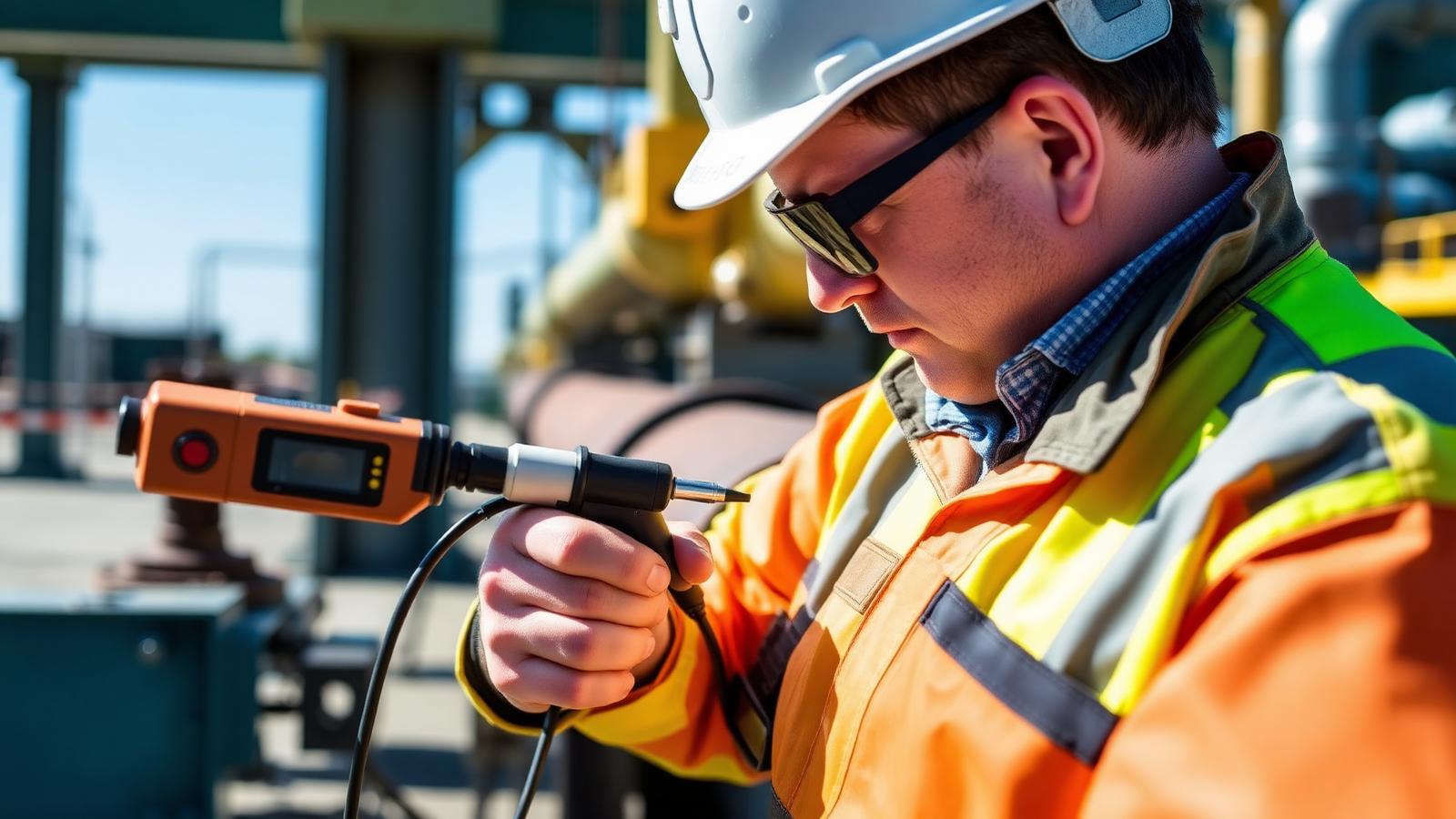
La inspección consiste en examinar equipos, instalaciones, embarques, procesos o condiciones de trabajo. Una grúa en un sitio minero puede inspeccionarse antes de levantar equipo pesado. Un buque de carga y su cargamento pueden verificarse antes de zarpar. Los inspectores pueden verificar la cantidad y calidad de commodities como cobre, granos, petróleo o minerales durante la carga y descarga. Un sitio de construcción puede revisarse contra especificaciones de ingeniería y requisitos de seguridad. Las plantas industriales también pueden requerir inspecciones periódicas de calderas, recipientes a presión, ductos, elevadores y otros activos críticos.
Certificación
La certificación es la confirmación formal de que un producto, sistema de gestión, proceso o persona cumple con un estándar definido. Un fabricante puede necesitar certificación de producto antes de vender equipos eléctricos en un país nuevo. Un productor de alimentos puede requerir certificación para demostrar cumplimiento con normas de inocuidad alimentaria y acceder a grandes cadenas minoristas. Una empresa puede obtener la certificación ISO 9001 para su sistema de gestión de calidad o ISO 14001 para sus prácticas ambientales. Soldadores, auditores y otros profesionales también pueden necesitar certificación para demostrar su competencia.
Por qué importa
En conjunto, estos servicios generan confianza entre empresas, clientes, reguladores, inversionistas y el público. Ayudan a que un producto ingrese a un mercado, permiten que un proveedor se sume a la lista de proveedores aprobados de un cliente, respaldan la participación en licitaciones públicas o privadas, y proporcionan a prestamistas o aseguradoras evidencia de que un proyecto se desarrolla y opera conforme a los estándares requeridos. En muchos sectores, los servicios de TIC no son opcionales. Son impulsados por la regulación, requisitos contractuales, estándares de clientes y la necesidad de gestionar el riesgo operacional. Esto convierte a TIC en una parte esencial de industrias como alimentos, minería, energía, construcción, manufactura, transporte, salud y productos de consumo.
Por qué las empresas pagan por servicios de TIC
El trabajo de TIC no es discrecional. Es exigido por la regulación, demandado por los compradores, o necesario antes de que se pueda liberar capital y seguros.
- 01
Acceso a mercado
Un certificado o informe de ensayo reconocido permite que un producto despache en aduana y se venda en la UE, EE. UU. u otros mercados regulados. Sin él, el contenedor se queda en el puerto.
- 02
Menor riesgo
Verificar materiales, soldaduras, equipos y procesos antes de su uso previene accidentes, retiros de producto, paradas y retrabajo que cuestan mucho más que la inspección misma.
- 03
Evidencia para compradores y aseguradoras
Una medición independiente de calidad, cantidad o condición resuelve disputas entre compradores y vendedores. Los prestamistas y aseguradoras también fijan un menor precio al riesgo cuando pueden verificar la condición de un activo.
- 04
Cumplimiento regulatorio
La mayoría de las normas de seguridad, alimentarias, ambientales y laborales exigen verificación documentada a intervalos definidos. Los proveedores de TIC entregan esa evidencia en un formato aceptado por las autoridades.
- 05
Credibilidad ante clientes
Para exportadores y empresas de servicios, los sellos de terceros acortan los ciclos de venta y abren cuentas que solo aceptan proveedores certificados.
- 06
Acceso a capital
Los prestamistas e inversionistas de proyectos a menudo requieren debida diligencia técnica independiente y puntos de retención de inspección antes de liberar fondos.
Qué impulsa la industria de TIC
La demanda la crean las normas y el riesgo, no el sentimiento de mercado. Estas son las principales fuerzas que mantienen el crecimiento de la industria.
- 01
Regulación y seguridad pública
Los códigos de construcción, las normas de inocuidad alimentaria, los límites ambientales y los regímenes de seguridad laboral exigen todos verificación independiente, a menudo con una frecuencia definida.
- 02
Comercio y acceso a mercados
Los mercados de exportación exigen documentación de conformidad. Sin certificados e informes de ensayo reconocidos, las mercancías no despachan en aduana.
- 03
Requisitos contractuales
Los contratos de construcción, minería y energía incorporan puntos de retención de ensayos e inspección como condición de pago y aceptación.
- 04
Transferencia de riesgo
Aseguradoras, prestamistas y compradores exigen verificación independiente antes de aceptar exposición a un activo, un cargamento o un proyecto.
- 05
Tercerización del trabajo de calidad interno
Fabricantes y empresas de servicios públicos siguen trasladando sus propios laboratorios y equipos de inspección a terceros para reducir costos fijos y obtener acreditaciones que no pueden mantener por sí solos.
- 06
Nuevas áreas de aseguramiento
Ciberseguridad, baterías y electrificación, centros de datos, pasaportes digitales de producto y afirmaciones de carbono o ESG crean trabajo de verificación que no existía hace una década.
A qué industrias sirve
TIC toca casi todas las partes de la economía. Estos son los principales sectores que compran ensayos, inspección y certificación.
Alimentos y agricultura
Granos, frutas, proteínas, café, pesca y alimentos procesados: ensayos de residuos y microbiología, clasificación de calidad y certificación de exportación.
Minería y metales
Cobre, litio, oro, mineral de hierro y acero: preparación de muestras, ensayo, análisis geoquímico y monitoreo ambiental.
Petróleo y gas
Upstream, refinación y distribución de combustibles: inspección de cargamentos, verificación de cantidad y calidad, ensayos de integridad de ductos y tanques.
Energía y servicios públicos
Generación, transmisión, renovables y servicios de agua: puesta en marcha, integridad de activos, seguridad eléctrica y ensayos de desempeño.
Construcción
Edificios, carreteras, puentes, represas y puertos: ensayos de suelos, concreto, asfalto, acero y geotecnia, además de inspección de sitio.
Químicos
Químicos industriales, fertilizantes, pinturas y recubrimientos: análisis de composición, clasificación de seguridad y expedientes regulatorios.
Manufactura industrial
Maquinaria, equipos y componentes: ensayo de producto, metrología, calibración, soldadura y ensayos no destructivos.
Bienes de consumo y retail
Textiles, calzado, juguetes, electrodomésticos, empaques y cosméticos: ensayos de seguridad, verificación de etiquetado y auditorías de proveedores.
Automotriz
Vehículos, piezas y baterías: ensayo de componentes, apoyo en homologación, verificación de emisiones e inspección vehicular periódica.
Transporte, aeroespacial y ferroviario
Aeropuertos, aerolíneas, ferrocarriles y flotas: apoyo en aeronavegabilidad, inspección de infraestructura ferroviaria y certificación de seguridad.
Marítimo y logística
Buques, terminales y flujos de carga: sondeos de calado, inspección de contenedores y carga, verificación de cadena de frío y trazabilidad.
Salud y ciencias de la vida
Farmacéuticos, dispositivos médicos, clínicas y laboratorios: auditorías GMP, ensayo de dispositivos y validación clínica o analítica.
Medio ambiente
Sitios industriales, ciudades y áreas protegidas: monitoreo de aire, agua, suelo y ruido, reporte de emisiones y ensayos de remediación.
Autoridades públicas
Ministerios, aduanas, reguladores y municipios: evaluación de conformidad, inspección previa al embarque y auditorías técnicas.
Banca y seguros
Prestamistas, aseguradoras e inversionistas: debida diligencia técnica, inspección de condición de activos, ajuste de pérdidas y verificación de siniestros.
Digital y ciberseguridad
Software, productos conectados y plataformas de datos: ensayos de ciberseguridad, aseguramiento de datos, verificación de afirmaciones ESG y de carbono.
Cómo está conformada la industria
- El resto sigue siendo interno
- 40% tercerizado
- En manos de los 14 actores más grandes
- ~25% de participación
- Transacciones privadas vs comparables cotizadas
- 14.3x vs 10.3x
Aproximadamente EUR 120 mil millones de trabajo de aseguramiento aún se encuentra dentro de gobiernos y laboratorios de empresas.
El resto es una larga cola de proveedores independientes.
Los compradores pagan una prima por plataformas con una trayectoria de adquisición asociada.
Quiénes son los principales actores
La industria cuenta con líderes globales, plataformas especializadas y una amplia larga cola de proveedores independientes.
Los grandes globales
SGS, Bureau Veritas, Intertek, Eurofins, TÜV SÜD, TÜV Rheinland, DEKRA, Applus+ y Element. Cada uno genera aproximadamente entre USD 2 y 8 mil millones en ingresos anuales y opera en decenas de países.
Plataformas de capital privado
Grupos respaldados por fondos como Phenna Group, Celnor, Kiwa y Normec, construidos comprando decenas de empresas especializadas y operándolas como una sola red.
Especialistas independientes
Miles de laboratorios y firmas de inspección de un solo país, propiedad de sus fundadores, con acreditaciones ganadas con esfuerzo y profunda confianza de sus clientes.
Organismos de acreditación
Los organismos nacionales de acreditación y las normas ISO/IEC definen quién es competente para ensayar, inspeccionar y certificar. Establecen la barrera de entrada.
Por qué esto importa en Latinoamérica
La región combina una demanda de aseguramiento impulsada por las exportaciones con una base de oferta inusualmente fragmentada.