Por qué Latinoamérica
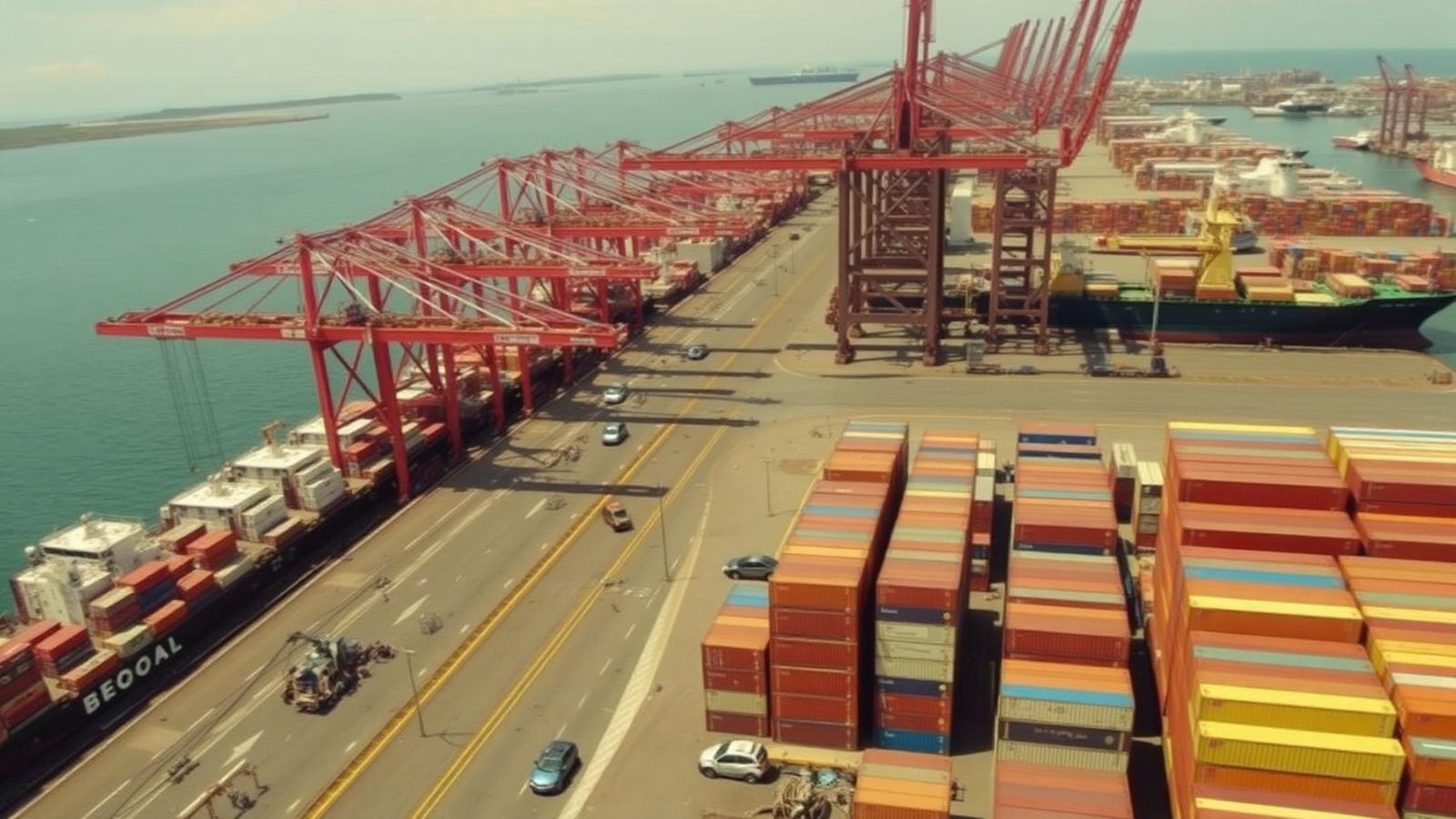
La demanda de aseguramiento crece mientras la oferta se mantiene pequeña y fragmentada. La región abastece a los mercados globales de minerales, alimentos, energía y bienes manufacturados. Cada uno de esos flujos requiere verificación independiente.
Por qué la demanda de aseguramiento sigue creciendo
- 01
Economías orientadas a la exportación
Latinoamérica aporta aproximadamente el 16% de las exportaciones agrícolas y alimentarias globales. Las exportaciones de minería, agricultura, proteínas, energía y manufactura conllevan todas requisitos de ensayos, inspección y certificación establecidos por los mercados de destino.
- 02
Inversión en infraestructura y energía
La inversión energética en la región ronda los USD 160 mil millones al año, con un gasto en energía limpia de alrededor de USD 70 mil millones. Las renovables ya suministran más del 60% de la energía de la región. Cada planta, ducto, red y proyecto renovable requiere puesta en marcha, ensayos de materiales e inspección.
- 03
Nearshoring
La nueva capacidad industrial se está reubicando más cerca de la demanda norteamericana, trayendo consigo requisitos de cumplimiento, calibración y aseguramiento de calidad.
- 04
Normas cada vez más estrictas
Los estándares de inocuidad alimentaria, ambientales y de producto siguen convergiendo al alza con los de los principales mercados de importación. Normas como el CBAM de la UE y la modernización de la inocuidad alimentaria están restringiendo el acceso a los mercados de exportación.
- 05
Mayor escrutinio de la cadena de suministro
Los compradores exigen cada vez más trazabilidad y verificación de terceros a lo largo de toda su base de proveedores.
Por qué la oferta sigue fragmentada
La mayoría de los proveedores son de un solo país y propiedad de sus fundadores
Más de 10,000 laboratorios y firmas de inspección independientes operan en la región. Casi todos atienden un único país, así que un cliente con sitios en tres países necesita tres proveedores distintos.
El capital de crecimiento escasea fuera de los operadores más grandes
Los propietarios financian nuevos equipos y nuevas acreditaciones con flujo de caja propio. Eso limita la velocidad con que pueden sumar ensayos, abrir sucursales o asumir contratos más grandes.
El alcance de acreditación suele ser más estrecho que la demanda del cliente
Un laboratorio puede tener acreditación para parte de lo que un cliente necesita y subcontratar el resto. El trabajo entonces sale de la región o va a un competidor.
Las funciones comerciales suelen ser informales o depender del fundador
Las ventas, los precios y las relaciones clave con clientes suelen recaer en el propietario. Rara vez hay un equipo de ventas, un CRM o una estructura de precios formal detrás.
La planificación de sucesión suele estar sin resolver
Muchos fundadores se acercan a la jubilación sin un comprador interno ni uno externo evidente. La empresa es valiosa, pero no hay una vía clara para transferirla.
Los reportes digitales y portales de cliente están poco desarrollados
Los resultados a menudo se entregan por correo electrónico o PDF. Los clientes esperan cada vez más paneles en vivo, flujos de datos y registros de auditoría que puedan consultar por sí mismos.
Menos del 30% de los proveedores son totalmente digitales
La mayoría restante todavía opera con papel, hojas de cálculo o sistemas parciales, lo que limita los tiempos de respuesta y hace lento el reporte multisitio.
La cobertura de clientes transfronterizos es rara por debajo de las multinacionales
Los clientes regionales y globales quieren un solo contrato, un solo estándar y un solo informe en todos los mercados. Por debajo de las multinacionales, casi nadie en Latinoamérica puede ofrecer eso hoy.
Dónde Latinoamérica es globalmente relevante
Priorizamos sectores donde la región importa para el mundo y donde la certificación es una condición de acceso al mercado.
Minería y minerales
Latinoamérica aporta aproximadamente el 41% del cobre global, el 32% del litio y el 51% de la plata. Chile por sí solo representa cerca del 28% del suministro global de cobre y el 53% de la inversión minera latinoamericana.
Alimentos y agricultura
Brasil exporta más de USD 160 mil millones en agricultura, Chile más de USD 24 mil millones en alimentos, y Perú alrededor de USD 12 mil millones como principal exportador mundial de arándanos. Se pronostica que el mercado dedicado de ensayos de alimentos en Latinoamérica prácticamente se duplique, de aproximadamente USD 1.7 mil millones en 2025 a USD 3.1 mil millones en 2033.
Energía e infraestructura
Chile superó el 40% de energía solar y eólica en 2024. Las recientes subastas de transmisión de Brasil comprometieron cerca de USD 4 mil millones para construir unos 7,300 kilómetros de nuevas líneas. El pipeline de proyectos regionales se acerca a los USD 138 mil millones.
Farmacéutica y dispositivos médicos
Se proyecta que la industria farmacéutica latinoamericana crezca de aproximadamente USD 98 mil millones en 2025 a cerca de USD 173 mil millones en 2034. El nearshoring de la manufactura de dispositivos médicos está en expansión: Costa Rica por sí sola exportó alrededor de USD 7.6 mil millones en instrumentos médicos en 2024.
Las cifras son estimadas y provienen de fuentes públicamente disponibles.
Riesgos que tomamos en serio
Latinoamérica conlleva riesgos reales. Los nombramos con claridad y gestionamos cada uno con una respuesta específica y estructural, no con optimismo.
Volatilidad cambiaria
Las monedas locales pueden moverse fuertemente frente al dólar estadounidense. Nuestra respuesta: los ingresos y costos se emparejan en la misma moneda siempre que es posible, los contratos se repactan en ciclos definidos, y el efectivo se diversifica en varios países para que ninguna devaluación individual afecte los resultados del grupo.
Cambios políticos y regulatorios
Los gobiernos y las normas cambian. Nuestra respuesta: ningún país concentra una participación dominante de los ingresos del grupo, y la demanda de ensayos, inspección y certificación está impulsada por las normas del mercado de destino (UE, EE. UU., Asia) más que por la política local, por lo que los mandatos sobreviven a los cambios de gobierno.
Acreditación y estándares técnicos
Cada país opera sus propios organismos de acreditación y ciclos de auditoría. Nuestra respuesta: la acreditación se trata como un activo central con liderazgo de calidad dedicado, calendarios de auditoría programados y bibliotecas de métodos compartidas, de modo que los alcances se mantengan y amplíen en lugar de perderse.
Talento técnico
Los inspectores, analistas y metrólogos calificados son escasos y móviles. Nuestra respuesta: la gestión local conserva autoridad genuina, las trayectorias profesionales y la capacitación se financian en toda la red, y los técnicos pueden compartirse entre empresas para suavizar los picos de demanda.
Riesgo de integración
La consolidación fracasa cuando elimina lo que hacía buena a una empresa. Nuestra respuesta: las marcas, las relaciones con clientes y los equipos técnicos permanecen en su lugar; estandarizamos únicamente las finanzas, los sistemas de calidad, la seguridad y los reportes.
Disciplina de capital
El apalancamiento amplifica cada uno de los demás riesgos de esta lista. Nuestra respuesta: estructuras de capital conservadoras, empresas generadoras de caja, y crecimiento financiado a un ritmo que la red puede absorber operacionalmente.
Aquí la gestión de riesgos es una disciplina operativa, no un párrafo de divulgación. Se revisa a nivel de red cada trimestre.