The TIC Industry
Testing, Inspection and Certification (TIC) is the industry that checks whether products, materials, assets and systems are safe, compliant and fit for use. It is the trust layer behind modern trade: without it, goods do not cross borders, factories do not open, and major projects do not get financed.
What is the TIC industry and what it does
TIC stands for Testing, Inspection and Certification. In simple terms, it means using an independent third party to verify that a product, asset, process or organization is safe, reliable and compliant with the relevant standards or regulations.
Testing
Testing provides objective evidence through technical analysis, either in a laboratory or in the field. A food sample may be tested for bacteria, pesticides, allergens or heavy metals. Drinking water can be analysed to confirm that it is safe for consumption. Steel may be tested for strength, chemical composition and resistance to corrosion. Concrete can be checked before and after it is poured to confirm that it will support a bridge, building or tunnel. Electronic products may be tested for electrical safety, battery performance and electromagnetic compatibility before they are sold.
Inspection
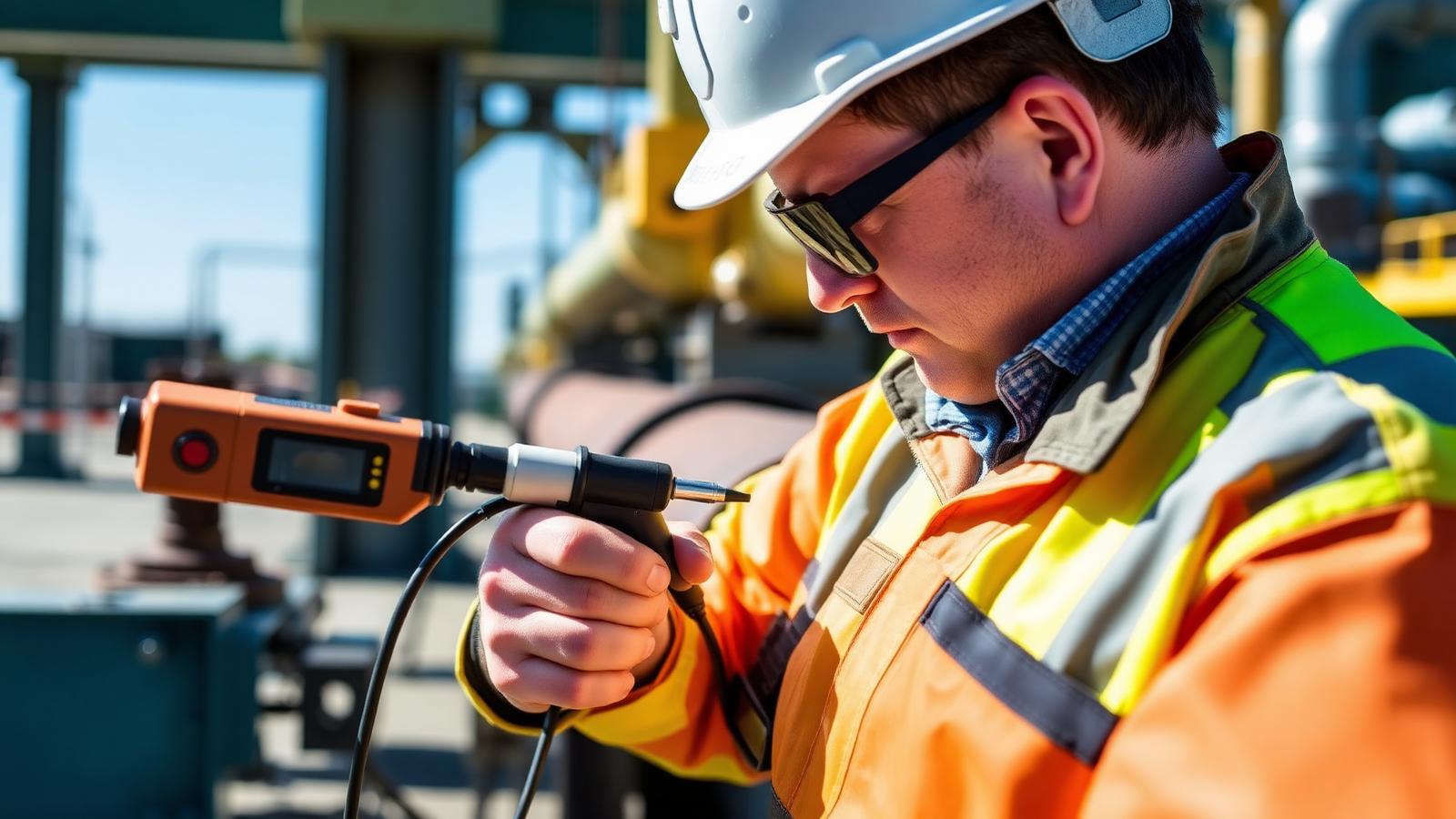
Inspection involves examining equipment, facilities, shipments, processes or working conditions. A crane at a mining site may be inspected before it lifts heavy equipment. A cargo ship and its load may be checked before departure. Inspectors may verify the quantity and quality of commodities such as copper, grain, oil or minerals during loading and unloading. A construction site can be reviewed against engineering specifications and safety requirements. Industrial plants may also require periodic inspections of boilers, pressure vessels, pipelines, elevators and other critical assets.
Certification
Certification is the formal confirmation that a product, management system, process or person meets a defined standard. A manufacturer may need product certification before selling electrical equipment in a new country. A food producer may require certification to demonstrate compliance with food-safety standards and access major retailers. A company may obtain ISO 9001 certification for its quality-management system or ISO 14001 certification for its environmental practices. Welders, auditors and other professionals may also need certification to prove their competence.
Why it matters
Together, these services create trust between companies, customers, regulators, investors and the public. They help a product enter a market, allow a supplier to join a customer's approved vendor list, support participation in public or private tenders, and provide lenders or insurers with evidence that a project is being developed and operated according to the required standards. In many sectors, TIC services are not optional. They are driven by regulation, contractual requirements, customer standards and the need to manage operational risk. This makes TIC an essential part of industries such as food, mining, energy, construction, manufacturing, transportation, healthcare and consumer products.
Why companies pay for TIC services
TIC work is not discretionary. It is required by regulation, demanded by buyers, or needed before capital and insurance can be released.
- 01
Market access
A recognised certificate or test report lets a product clear customs and be sold in the EU, the US or other regulated markets. Without it, the container stays at the port.
- 02
Lower risk
Checking materials, welds, equipment and processes before they are used prevents accidents, recalls, shutdowns and rework that cost far more than the inspection itself.
- 03
Proof for buyers and insurers
An independent measurement of quality, quantity or condition settles disputes between buyers and sellers. Lenders and insurers also price risk lower when they can verify asset condition.
- 04
Regulatory compliance
Most safety, food, environmental and labour rules require documented verification at set intervals. TIC providers supply that evidence in a form authorities accept.
- 05
Customer credibility
For exporters and service companies, third-party marks shorten sales cycles and open accounts that only accept certified suppliers.
- 06
Access to capital
Project lenders and investors often require independent technical due diligence and inspection hold points before releasing funds.
What drives the TIC industry
Demand is created by rules and risk, not by sentiment. These are the main forces that keep the industry growing.
- 01
Regulation and public safety
Building codes, food safety rules, environmental limits and workplace safety regimes all require independent verification, often on a defined frequency.
- 02
Trade and market access
Export markets require conformity documentation. Without recognised certificates and test reports, goods do not clear customs.
- 03
Contractual requirements
Construction, mining and energy contracts embed testing and inspection hold points as a condition of payment and acceptance.
- 04
Risk transfer
Insurers, lenders and buyers require independent verification before accepting exposure to an asset, a cargo or a project.
- 05
Outsourcing of in-house quality work
Manufacturers and utilities keep moving their own laboratories and inspection teams to third parties to cut fixed cost and gain accreditations they cannot maintain alone.
- 06
New assurance areas
Cybersecurity, batteries and electrification, data centres, digital product passports and carbon or ESG claims all create verification work that did not exist a decade ago.
What industries it serves
TIC touches almost every part of the economy. These are the main sectors that buy testing, inspection and certification.
Food and agriculture
Grains, fruit, protein, coffee, fisheries and processed food: residue and microbiology testing, quality grading and export certification.
Mining and metals
Copper, lithium, gold, iron ore and steel: sample preparation, assay, geochemical analysis and environmental monitoring.
Oil and gas
Upstream, refining and fuel distribution: cargo inspection, quantity and quality verification, pipeline and tank integrity testing.
Power and utilities
Generation, transmission, renewables and water utilities: commissioning, asset integrity, electrical safety and performance testing.
Construction
Buildings, roads, bridges, dams and ports: soils, concrete, asphalt, steel and geotechnical testing plus site inspection.
Chemicals
Industrial chemicals, fertilisers, paints and coatings: composition analysis, safety classification and regulatory dossiers.
Industrial manufacturing
Machinery, equipment and components: product testing, metrology, calibration, welding and non-destructive testing.
Consumer goods and retail
Textiles, footwear, toys, appliances, packaging and cosmetics: safety testing, labelling checks and supplier audits.
Automotive
Vehicles, parts and batteries: component testing, homologation support, emissions checks and periodic vehicle inspection.
Transport, aerospace and rail
Airports, airlines, railways and fleets: airworthiness support, rail infrastructure inspection and safety certification.
Marine and logistics
Vessels, terminals and cargo flows: draft surveys, container and cargo inspection, cold-chain and traceability checks.
Health and life sciences
Pharmaceuticals, medical devices, clinics and laboratories: GMP audits, device testing and clinical or analytical validation.
Environment
Industrial sites, cities and protected areas: air, water, soil and noise monitoring, emissions reporting and remediation testing.
Public authorities
Ministries, customs, regulators and municipalities: conformity assessment, pre-shipment inspection and technical audits.
Banking and insurance
Lenders, insurers and investors: technical due diligence, asset condition surveys, loss adjustment and claims verification.
Digital and cybersecurity
Software, connected products and data platforms: cybersecurity testing, data assurance, ESG and carbon claim verification.
How the industry is shaped
- The rest is still in-house
- 40% outsourced
- Held by the 14 largest players
- ~25% share
- Private deals vs listed comps
- 14.3x vs 10.3x
Around EUR 120 billion of assurance work still sits inside governments and company labs.
Everything else is a long tail of independent providers.
Buyers pay a premium for platforms with an acquisition runway attached.
Who the main players are
The industry has global leaders, specialist platforms and a vast long tail of independent providers.
The global majors
SGS, Bureau Veritas, Intertek, Eurofins, TÜV SÜD, TÜV Rheinland, DEKRA, Applus+ and Element. Each generates roughly USD 2–8 billion in annual revenue and operates in dozens of countries.
Private-equity platforms
Sponsor-backed groups such as Phenna Group, Celnor, Kiwa and Normec have been built by buying dozens of specialist businesses and running them as one network.
Independent specialists
Thousands of founder-owned, single-country laboratories and inspection firms that hold hard-won accreditations and deep client trust.
Accreditation bodies
National accreditation bodies and ISO/IEC standards define who is competent to test, inspect and certify. They set the barrier to entry.
Why this matters in Latin America
The region combines export-driven assurance demand with an unusually fragmented supply base.